Mud Boots, Tent Stakes, and Plan B: What a Vineyard Wedding Really Needs When It Rains

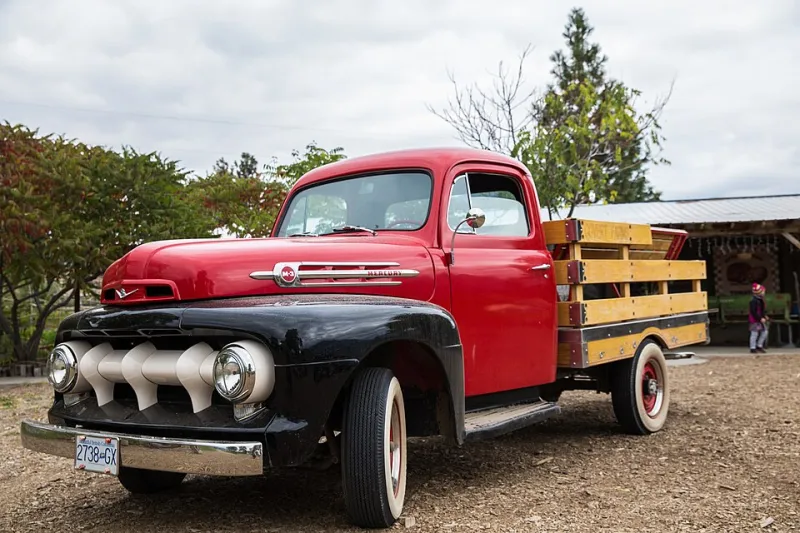
Photo by Photo by Roger Starnes Sr on Unsplash on Unsplash
There’s a particular kind of quiet that settles over a farm the morning of an outdoor wedding when the radar looks mean. The chairs are stacked. The aisle markers are waiting. Someone’s aunt is refreshing the weather app like it owes her money. We’ve been there more than once at Sunnybrook Farm Winery, and we’ve learned that a good rain plan isn’t about pretending the sky will cooperate. It’s about deciding, ahead of time, what “cooperate” actually needs to mean.
A working farm is not a hotel ballroom with a few vines added for atmosphere. That’s part of the charm—and part of the responsibility. Tractors still need to move. Gravel drives get soft. A tent can’t always go exactly where the Pinterest board says it should. The couples who sail through a soggy Saturday are usually the ones who asked honest questions early and built a plan with room to breathe.
The backup barn is not a consolation prize
People hear “backup barn” and picture folding chairs in a dusty equipment shed. Fair enough—some farm venues do have a shed and call it a barn. Ours is a real part of the property, and we treat it that way. It gets cleaned, lit, and laid out with the same care as the outdoor ceremony site. The goal is simple: if we have to move the party inside, it should still feel like a wedding, not a retreat from one.
That said, a backup space only works if it fits the guest count, the caterer, the band, and the flow of the evening. Before you book any farm venue, ask to see the rain location in person. Not a photo from three years ago. Not a rendering. Walk it. Stand where you’d say “I do.” Check where the caterer would set up, where guests would enter, and whether the space can hold your people without turning into a game of human Tetris.
How we decide between tent, barn, and a last-minute shuffle
There’s no single trigger that sends every wedding indoors. We look at the whole picture: rainfall timing, wind, temperature, ground saturation, vendor needs, and how much of the day can reasonably stay outside. A passing shower at 2 p.m. is a different problem from a steady all-day soak. A tent with sidewalls can handle more than an open-sided tent. A barn move might be the right call for dinner but overkill for a short ceremony.
We like to make the big call as early as we responsibly can, then keep a smaller set of decisions flexible. That might mean moving the ceremony under cover but keeping cocktail hour on the covered patio. It might mean swapping the lawn games for a photo station inside. It might mean telling the couple, plainly, that the vineyard portraits they imagined are going to become barn-door portraits and muddy-boot portraits—and that those often turn out better than anyone expected.
The worst rain plans are the ones that depend on one heroic last-minute reshuffle. Good plans have layers. A primary spot, a covered spot, and a “we’ll make it work” spot. Ask your venue to explain their layers in plain English.
What rain actually does to shoes, timing, and photos
Rain doesn’t just change the backdrop. It changes the ground under everyone’s feet. On a farm, that matters. Heels sink. White soles turn brown. A gravel path that was charming in July can become a small river with a breeze. We tell couples to think about footwear for themselves and their guests, and to consider a basket of cheap flip-flops or a few pairs of boots near the ceremony entrance. It sounds small. It saves moods.
Timing gets tighter, too. Moving a ceremony indoors can add ten minutes here and fifteen there—guests need direction, vendors need to reset, and the photo schedule often needs a trim. Build cushion into the day. If your ceremony starts at 4:00, don’t schedule family photos so tightly that a five-minute sprinkle turns the whole evening into a relay race.
And photos? Here’s the honest version: overcast light is often lovely. Rain photos can be romantic. What doesn’t work is pretending you’ll get the exact golden-hour vineyard shot you pictured if the sky is gray and leaking. Talk to your photographer about covered options, clear umbrellas, and a short window for outdoor portraits if the weather gives you one. The best rain-day albums aren’t the ones that fake sunshine. They’re the ones that lean into what actually happened.
Questions to ask any farm venue before you sign
This is the part we wish every couple would steal for their venue tour, whether they book with us or not.
- Where exactly is the rain backup, and how many people does it hold? Ask for the real number, not the “comfortable” number.
- Who makes the call to move, and by when? You want a clear decision-maker and a clear deadline.
- Does the backup space cost extra? Get it in writing, including any tent, flooring, lighting, or staffing fees.
- What happens to the ceremony if the ground is wet but it isn’t raining? Some farms can handle damp grass. Some can’t. Ask.
- Are there paths, mats, or lighting for guests moving between spaces? Muddy transitions are where good plans go to die.
- Can our caterer and band work in the backup space? Power, access, and space matter more than the pretty photos.
- What’s the cancellation and postponement policy? Read it twice. Ask what “weather” means in the contract.
- Who handles setup and cleanup if plans change? Find out whether that’s included or an extra charge.
The goal is not a perfect forecast
Nobody can promise you a dry Saturday. A farm venue that pretends otherwise is either new at this or not being straight with you. What we can promise is a plan built on real ground, real buildings, and real experience—one that treats rain as a logistics problem, not a character flaw.
If your wedding day turns gray and drippy, you’ll remember the people, the vows, and maybe the boots. You probably won’t remember whether the aisle was exactly where the sketch said it would be. Build a rain plan you trust, ask the unglamorous questions, and let the weather do what it’s going to do. The party can still be very good. We’ve seen it happen in the barn more than once.