The Bottle Starts in the Dirt: A Plain-English Guide to Farm Wine
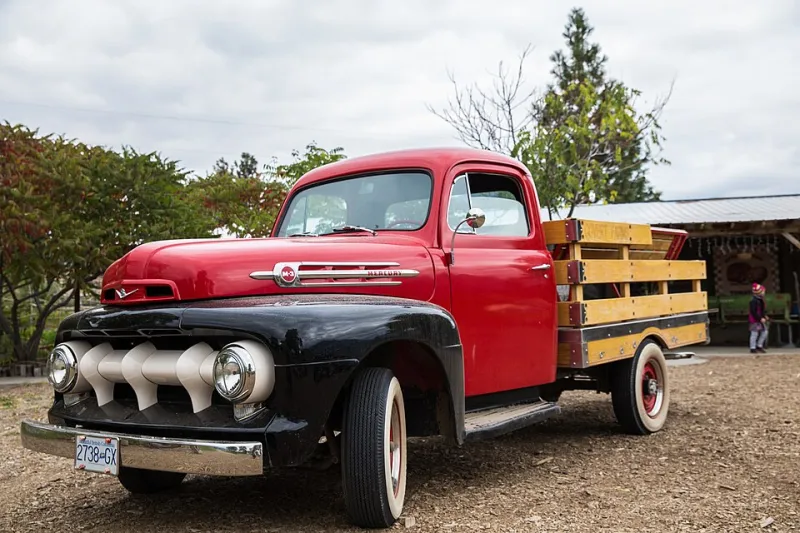
Photo: Mack Male from Edmonton, AB, Canada, CC BY-SA 2.0, via Wikimedia Commons
There's a stretch of gravel driveway at Sunnybrook that tells you most of what you need to know about farm wine. It's a quarter mile of potholes and dust that dead-ends at the crush pad, and every grape we've ever fermented has rolled up it on a trailer. No outside fruit, no broker's truck, no mystery juice arriving from somewhere else. If it's in the bottle, it grew about four hundred feet from where we're standing when we say so.
That sounds like a small thing. It isn't. It's the whole ballgame.
What "Farm Wine" Actually Describes
You'll see the phrase on a lot of labels now, and honestly, it doesn't carry a legal definition the way "estate bottled" or an AVA name does. So it gets used loosely. What we mean by it is narrower: we grow the grapes, we make the calls, and we live with the results. Same family, same ground, same set of hands from bud break to bottling.
That arrangement forces a certain honesty. When you buy fruit from a dozen growers across three counties, a rough season in one place gets smoothed over by a good one somewhere else. When everything comes off your own land, there's nowhere to hide. A wet spring is your wet spring. A hot August is your hot August. That's not a marketing advantage so much as a personality trait—and it's the reason two bottles with the same label on them can taste meaningfully different from one another.
Vintage Variation Is Not a Flaw to Be Corrected
People ask us all the time whether the Cabernet Franc is "the same as last time." The honest answer is no, and we're not going to apologize for it. A big commercial operation works hard to hit a flavor target every single year—same sugar, same oak, same profile, because a customer in Ohio expects the bottle she bought in March to taste like the one she buys in September. That's a legitimate way to run a business. It's just not farming.
Farming means the 2026 growing season left its fingerprints on the wine, and so did the ones before it. More rain during veraison gives you looser clusters and a leaner edge. A dry, sunny September tightens everything up and pushes the fruit forward. If you drink with us across a few years, you're not tasting a formula. You're tasting a stretch of weather and a set of choices.
Some regulars keep notes on which years they loved. Others like the surprise. Either way, when a vintage shifts on you, that's the point—not a mistake we failed to sand down.
Small Batches Mean Decisions Get Made by People, Not Committees
Our whole production is small enough that a single fermenter matters. That has real consequences. When one tank of ours starts smelling a little sharper than we'd like, we can spend a morning tasting it, argue about it, and change course. Nobody has to route a decision through three departments or wait for a lab report from a corporate office two time zones away.
It also means we can afford to be stubborn. We pick by flavor and by seed ripeness, not by a calendar someone printed in the spring. If the Sauvignon Blanc needs another four days, it gets another four days, even if that means we're out there at seven in the morning with cold hands and a growling stomach. If a block isn't giving us anything worth bottling, we make less wine. Less wine is a bad quarter and a better bottle.
That's the unglamorous reality behind the label. Farm wine is mostly a series of small, inconvenient decisions made by people who will have to see you at the tasting bar afterward and explain themselves.
What to Look For in the Glass
You don't need a certification to taste the difference. Start with the nose: farm-made wines often read a little more like a place than a product. You might catch the dusty edge of a gravel road, dried herbs, tomato leaf, or the faint savory note that comes from fruit that ripened slowly instead of being hurried along.
Then check the finish. When grapes are grown for balance—rather than pushed to maximum ripeness for a score—the acidity usually stays intact, and the wine keeps going after you swallow. It makes you want a second sip, which is the most useful review any bottle can get.
And pay attention to the texture. Small-lot ferments, gentle handling, minimal fiddling: none of that guarantees silk, but it tends to leave the fruit feeling more intact and less like it went through a car wash. If a wine tastes bright and specific rather than round and anonymous, you're probably drinking something with a fence line attached to it.
Why We Bother
There's a version of this job where you buy clean fruit, chase a consistent flavor, and build a brand on reliability. Plenty of people do it well. We chose the other version—the one where the weather writes half the script and we spend our summers improvising.
It's more work and it's less predictable, and every so often it breaks your heart a little. But it's the only way to make a wine that could not have been made anywhere else. When you pull a cork at your kitchen table and it tastes like a particular slope of a particular farm in a particular year, you're not drinking a sticker. You're drinking our dirt, our mornings, and our decisions.
Next time you're out, ask us which vintage is pouring and what that year did to it. We'll tell you—probably at length, probably with a glass in hand.