While the Vines Sleep: A Look at Our Off-Season (and Why Winter Tastings Are Our Favorite)
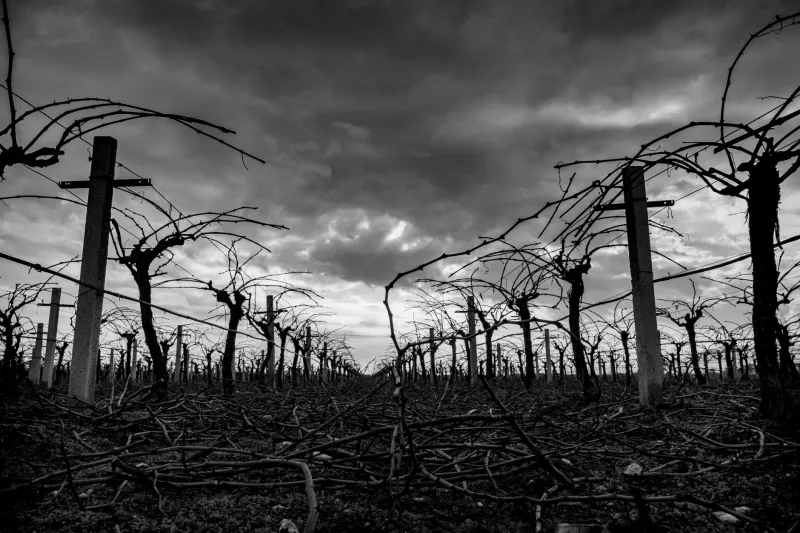
Pull into our driveway on a Saturday in July and you'll find the parking lot full, the patio buzzing, and someone's golden retriever happily accepting belly rubs by the barn. Pull in on a Saturday in January and you might catch something different: Dad on a ladder between the vine rows with a pair of pruning shears, steam rising off a mug of coffee, and nothing but the sound of wind moving through bare canes.
Winter is when the winery exhales. And honestly? It's when a lot of the real work happens.
The Vines Aren't Sleeping—They're Recharging
From the road, a winter vineyard looks dead. Gray, twiggy, maybe a little sad. But underground, the roots of our vines are busy storing up energy for the growing season ahead. Dormancy isn't idleness; it's preparation.
Our job during these months is to help the vines rest well and set them up for spring. That starts with pruning, which is exactly what it sounds like: cutting back most of last year's growth so the vine puts its energy into just the right shoots come bud break. It sounds simple. It is not.
"Every cut is a decision about next year's wine," my mother likes to say, and she's been saying it for thirty years. Leave too much and the vine overproduces, diluting flavor. Take too much and you stress the plant. There's a reason experienced pruners are worth their weight in gold—by late February, our whole family can look at a row of vines and read the season's story in the wood.
Bottling Season: Loud Machines, Cold Hands, Good Music
Winter is also when we bottle. The reds from two harvests back have spent their time in barrel and are ready for glass, which means somewhere between the holidays and Valentine's Day, our barn turns into a small-scale production line.
If you've never seen a farm winery bottle wine, picture this: a borrowed bottling truck backing up to the cellar door, racks of empty bottles stacked to the ceiling, and four family members plus a neighbor or two filling, corking, foiling, and labeling as fast as we safely can. We break for chili. Somebody always plays music too loud. At least one bottle ends up on the floor.
It's unglamorous and absolutely one of our favorite weeks of the year. There's something about seeing a wine you crushed in October finally wearing its label, ready to ride home in someone's back seat.
Barrel Tastings and Big Plans
Once the bottling line is put away, we do what every winemaker secretly loves: we taste what's resting in barrel. Winter barrel tasting is part science, part fortune-telling. We pull samples with a wine thief, check how each lot is developing, and argue—affectionately—about blends for the spring releases.
This is also when we plan the year ahead. Festival dates, the summer music series, harvest dinner reservations, which varietals we'll plant in the south field. The quiet months are when the calendar for next year gets scribbled onto legal pads and pinned to the corkboard in the tasting room.
Q&A: Why Winter Visitors Get Our Best Tastings
We asked around the family about why a cold-weather visit is worth the trip.
Q: Is the tasting room even open in winter?
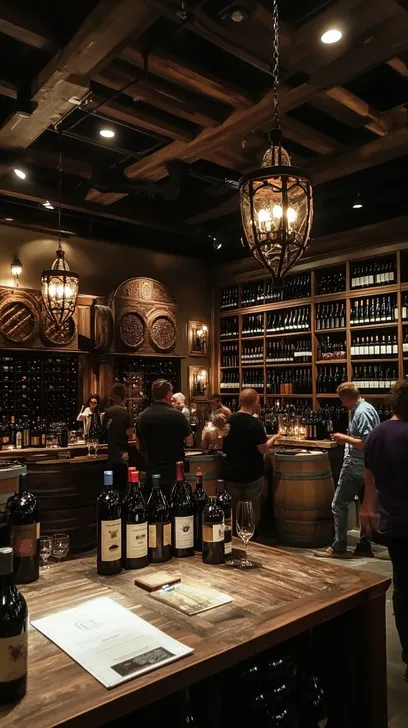
Yes—weekends, and often by appointment during the week. Fewer visitors means we can take our time. In July, a tasting might be fifteen minutes with a crowd around the bar. In February, it might be forty-five minutes at a farm table with the winemaker personally pouring.
Q: What makes a winter tasting different?
"We pour differently in winter," Dad says. "We open things we wouldn't normally open. If someone's curious about a barrel-aged red, we'll pull a barrel sample. You just can't do that on a busy Saturday in August."
We also lean into the season: heartier pours, a fire in the fireplace, and often a bottle of something special open behind the bar for the folks who made the drive.
Q: Any tips for winter visitors?
Dress in layers—the tasting room is warm, but a stroll between the dormant rows is worth bundling up for. Ask to see the cellar. Ask what's in barrel. Ask about the pruning. Winter guests ask better questions because they're not rushing to the next stop, and we love it.
Come See the Quiet Side
Spring gets all the glory—bud break, new growth, patio season. But the wine in your glass next summer is being made right now, in the cold, by people in flannel jackets with pruning shears in their pockets.
If you've only visited in warm weather, consider a winter trip. You'll get a slower, more personal tasting, a first look at what's coming next, and a fire to warm your hands over. And if you time it right, you might even catch us mid-bottling, waving you over to see the line run.
Check our website for winter hours and tasting appointments. The vines are resting. We're not. Come see what we're up to.